
 Image 1 of 1
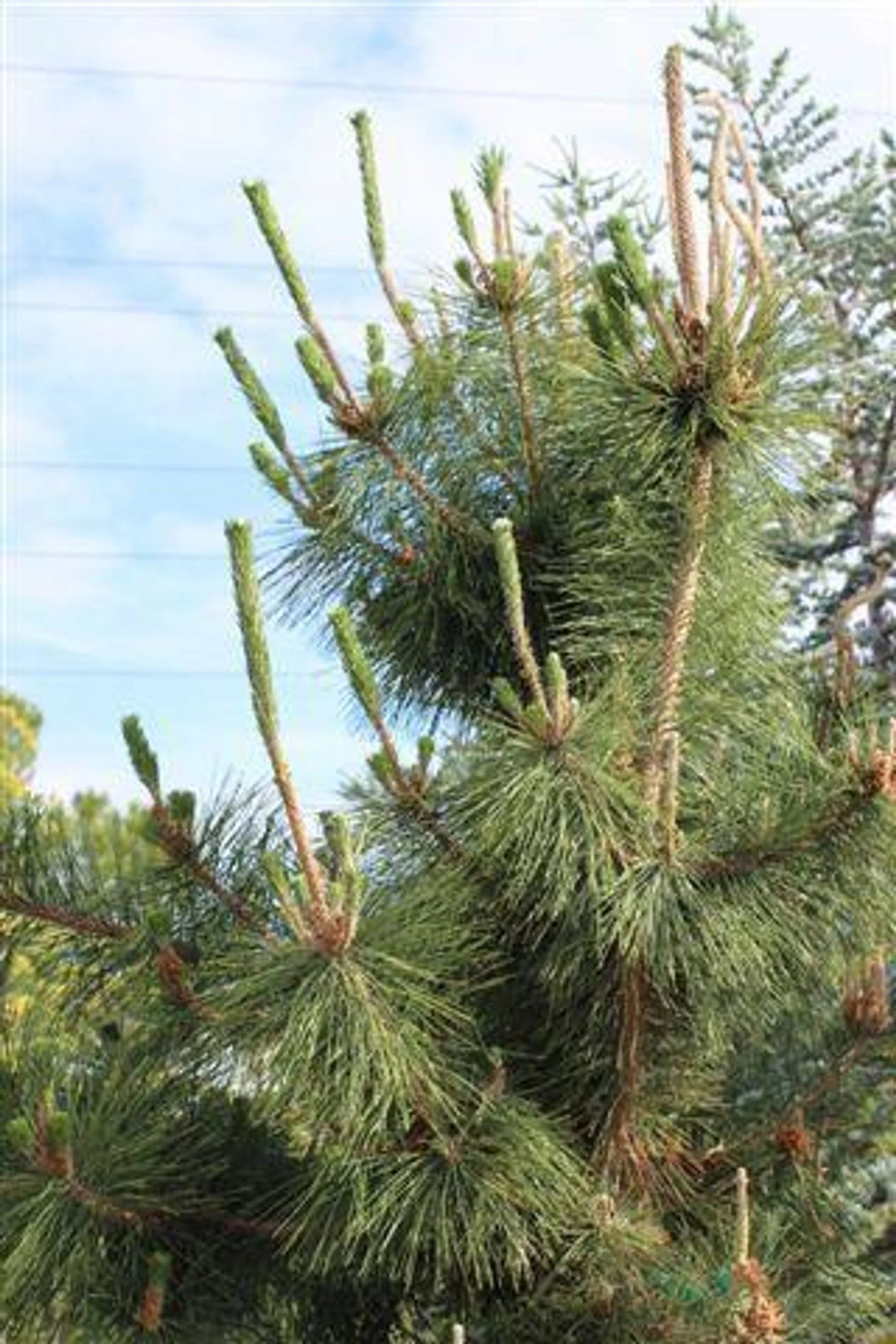
Stoic and sculptural, Japanese Black Pine stands like a living bonsai writ large. With dark, rugged bark and windswept needles, it brings a sense of age and artistry even when young. Strong enough to thrive in salty coastal winds yet refined enough for a formal garden, it’s a tree that balances resilience with elegance — the garden’s quiet samurai.
Water Needs: Low to moderate; drought-tolerant once established
Sun Needs: Full sun
Soil Requirements: Well-drained sandy or loamy soils; tolerates poor soils and coastal conditions
Growing Zone: USDA Zones 5–8
Cold Hardiness: Down to ~−20°F (−29°C)
Mature Size: 20–60 ft tall x 20–40 ft wide (variable; can be pruned/trained smaller)
Native Origin: Coastal Japan and South Korea
Best Substitutes For: Aleppo Pine (Pinus halepensis), Italian Stone Pine (Pinus pinea), or Austrian Pine (Pinus nigra)
Landscape Uses: Coastal landscapes, windbreaks, specimen tree, Japanese/Asian-inspired gardens, bonsai training
Stoic and sculptural, Japanese Black Pine stands like a living bonsai writ large. With dark, rugged bark and windswept needles, it brings a sense of age and artistry even when young. Strong enough to thrive in salty coastal winds yet refined enough for a formal garden, it’s a tree that balances resilience with elegance — the garden’s quiet samurai.
Water Needs: Low to moderate; drought-tolerant once established
Sun Needs: Full sun
Soil Requirements: Well-drained sandy or loamy soils; tolerates poor soils and coastal conditions
Growing Zone: USDA Zones 5–8
Cold Hardiness: Down to ~−20°F (−29°C)
Mature Size: 20–60 ft tall x 20–40 ft wide (variable; can be pruned/trained smaller)
Native Origin: Coastal Japan and South Korea
Best Substitutes For: Aleppo Pine (Pinus halepensis), Italian Stone Pine (Pinus pinea), or Austrian Pine (Pinus nigra)
Landscape Uses: Coastal landscapes, windbreaks, specimen tree, Japanese/Asian-inspired gardens, bonsai training